

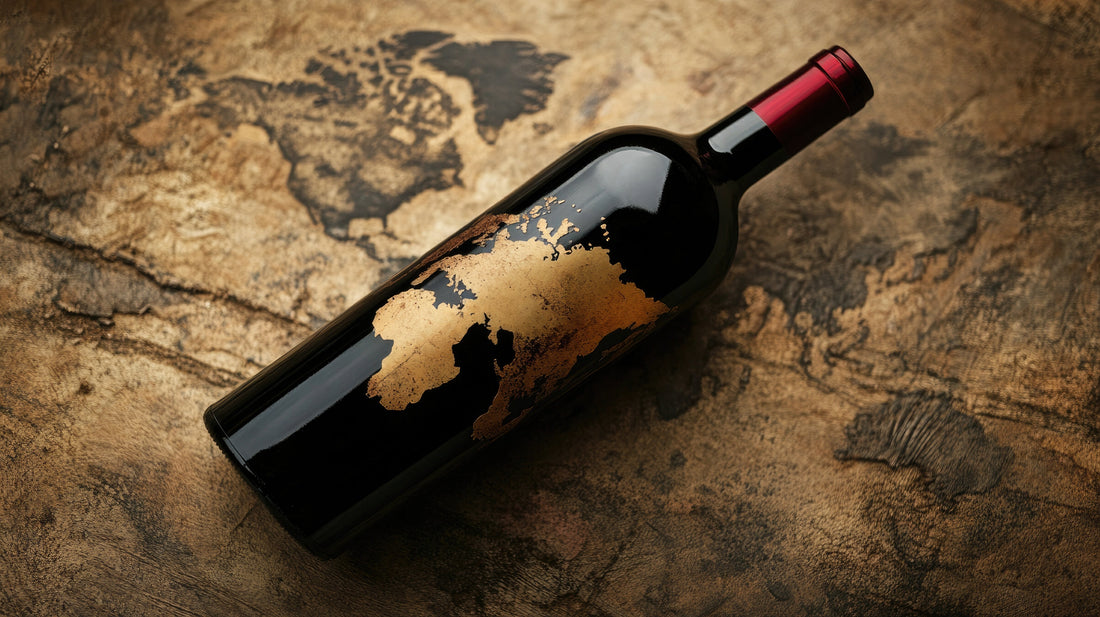
What are the most consumed foreign wines in France?
France is one of the largest wine producers in the world, but that doesn't mean French wine lovers aren't interested in foreign wines. On the contrary, the consumption of wines from elsewhere has grown significantly in recent years. Let's discover together the most popular foreign wines in France.
1. Italian wines: a confirmed passion
Italy is the leading supplier of foreign wines to France. Appellations such as Prosecco, Chianti, and Amarone are increasingly attracting French consumers. Prosecco, in particular, is experiencing dazzling success thanks to its light effervescence and affordable price.
2. Spanish wines: quality and accessibility
Spain ranks second, particularly with its Rioja and Cava. The richness of Spanish terroirs and the diversity of grape varieties, such as Tempranillo or Garnacha, attract an audience looking for powerful and affordable wines. Spanish wines are often perceived as offering excellent value for money.
3. Portuguese wines: on the rise
Portugal is increasingly appealing with its Douro and Vinho Verde wines. The French also appreciate Port wines, especially for pairing with desserts. These wines bring a touch of originality and tradition that appeals to lovers of oenological discoveries.
4. Argentine and Chilean wines: South America in the spotlight
Argentine Malbec and Chilean Carménère are experiencing real craze in France. Their pronounced tannic structure and intense aromas appeal to lovers of full-bodied red wines. Moreover, their excellent value for money makes them prized choices.
5. South African and Australian wines: exploration in full swing
South African wines, particularly those based on Pinotage and Chenin Blanc, are gradually finding their place in France. Similarly, rich and fruity Australian Shirazes are attracting customers looking for new taste experiences.
Why this craze for foreign wines?
Several factors explain this growing interest of the French in foreign wines:
-
Increased curiosity about the diversity of terroirs around the world.
-
Often advantageous value for money, especially for Spanish and South American wines.
-
The influence of international trends, such as the fashion for Prosecco or natural wines.
While France remains attached to its own wine productions, the discovery of foreign wines enriches oenological experiences and satisfies the curiosity of enthusiasts. So, why not dare a tasting of wines from elsewhere for your next evening?