

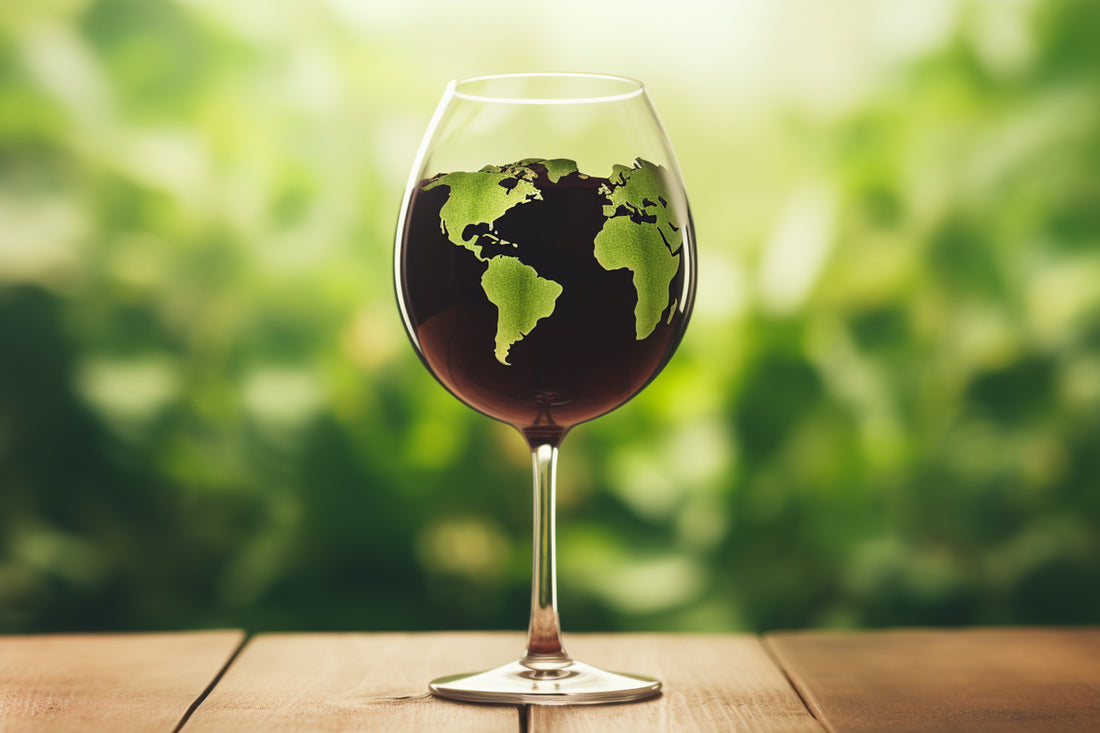
Trends and Discoveries: What does the world of wine have in store for us in 2025?
The constantly evolving world of wine experiences fascinating changes every year. In 2025, several trends and discoveries could redefine how we consume, produce, and appreciate wine. Here are some key outlines that could mark this year:
1. Sustainable Wine and Agroecology
The environmental impact of viticultural practices is under increasing scrutiny. In 2025, the trend towards sustainable viticulture is expected to strengthen, with an even broader adoption of agroecological and biodynamic techniques. Winemakers will seek to reduce their carbon footprint by adopting more natural farming methods, such as composting, reducing chemical inputs, and using renewable energies.
- Organic and Biodynamic Wines: Demand for wines produced without pesticides or synthetic chemicals continues to grow. In 2025, certification labels (AB, Demeter) are expected to become even more popular.
- "Climate" Wines: With climate change, some wine regions will transform and others will adapt. Cooler areas, such as Northern Europe or the United States (e.g., Oregon), could gain importance.
2. Technology and Innovation in Wine Production
Technological advancements continue to play a major role in wine production, and this will only strengthen by 2025.
- Data Analysis and AI: Artificial intelligence and big data are used to monitor climate conditions, manage vineyards, and optimize yields. This allows for anticipating diseases and better understanding the needs of the terroir.
- Augmented Winemaking: Fermentation, tank aging, and aroma management technologies based on sensors and algorithms are expected to become more common to customize wines according to consumer preferences.
3. Alcohol-Free and Low-Alcohol Wines
The trend for alcohol-free or low-alcohol wines continues to gain momentum. In 2025, dealcoholization techniques will be even more perfected, offering alcohol-free wines that retain an organoleptic quality similar to traditional wines.
- Alternative Wines: A burgeoning alternative could be low-alcohol wines, "natural" wines, or wines made from fermented grapes without added alcohol.
- More Options in the Alcohol-Free Wine Sector: With increasing demand, a growing number of producers are expected to create alcohol-free wines as sophisticated as their alcoholic counterparts.
4. Diversity of Grape Varieties and New Terroirs
The search for new grape varieties and terroirs, in response to climate change and the globalization of tastes, will continue to transform the wine industry.
- Lesser-Known Grape Varieties: Wines from uncommon or indigenous grape varieties will gain popularity. Varietals like Xinomavro in Greece or Saperavi in Georgia could become known to the general public.
- New Wine Regions: Canada (especially the Ontario and Quebec regions) and Northern Europe (Poland, Germany) are expected to make a name for themselves on the global stage. These emerging areas leverage their unique climate and soils to produce quality wines.
5. Natural Wines and Winemaking Minimalism
Natural wines, whose production involves artisanal practices with little to no added sulfur, industrial yeasts, or other inputs, will continue to attract consumers seeking authentic products.
- "No-Intervention" Wines: In 2025, there will be a surge in interest for wines produced with minimalist methods, in a concern for authenticity, without excessive transformation and with total respect for the terroir.
- Provenance and Transparency: Consumers will want to know more about winemakers' practices and the exact origin of the grapes. Traceability will be an essential criterion.
6. Wine and Gastronomy: A New Consumption Experience
Consumers are increasingly seeking sensory experiences and gastronomic discoveries centered around wine.
- Personalized Food and Wine Pairings: In 2025, the focus is likely to be on more audacious pairings and collaborations between chefs and winemakers to create unique gastronomic experiences.
- Immersive Tastings: Virtual and augmented reality technologies could revolutionize tastings, offering interactive experiences where consumers can "see" the history of the wine, its terroir, and its production processes.
7. Canned Wines and Other Innovative Formats
The consumption of wine in non-traditional formats such as cans or smaller formats (500 ml or 1L bottles) will continue to grow in popularity, especially among younger consumers and those seeking a more practical and sustainable option.
- Canned Wines: Lighter, easy to transport, and recyclable, canned wines are gaining popularity. Quality wines, even high-end ones, are now offered in these convenient formats.
- Eco-Friendly Packaging: More and more producers are opting for recyclable and sustainable materials, or even lightweight glass bottles.
8. Health and Wellness: Enriched and Functional Wines
Functional wines, which incorporate health benefits such as antioxidants or added superfoods (like goji berries or green tea), could become a popular novelty.
- Probiotic Wines: These naturally fermented wines could receive particular attention due to their beneficial effects on digestion.
- Low-Sulfite Wines: The appeal for naturally fermented, low-sulfite wines will continue to grow, meeting the demand of health-conscious consumers.
9. Wine and Education: The Role of Sommeliers and Communities
The role of sommeliers and wine experts will continue to evolve as ambassadors of the wine experience, and the popularity of online wine training will continue to grow.
- Digital Education: Consumers will have access to more immersive learning platforms to explore wines, terroirs, and winemaking techniques through videos, podcasts, and mobile applications.
Conclusion
The world of wine in 2025 will be marked by a balance between tradition and innovation. Consumers will seek richer and more sustainable experiences while being increasingly informed and demanding. New technologies, ecological concerns, as well as an openness to atypical wines and innovative formats will shape the industry, making each sip even richer in meaning and history.